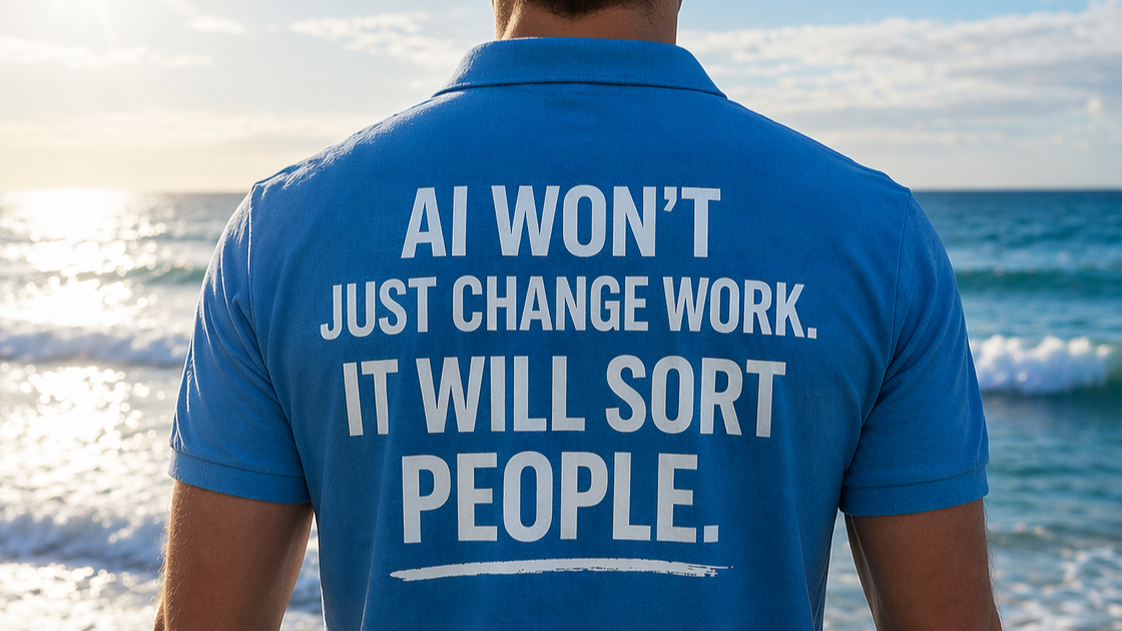
AI Won’t Just Change Work. It Will Sort People.
For many of us, especially those coming from the humanities or other traditions of thought, AI is not just skill acquisition. It is translation under pressure. What I mean is this: every system has a language that determines who gets recognized as intelligent, credible, useful, and worth listening to. Right now, technical fluency is increasingly part of that language. AI, automation, systems thinking, platform logic, data structures, repos, workflows, prompts, integrations, all of it. You can critique it. You can know it was not built with your mind in mind. And still have to learn it. Not necessarily because AI is exciting but because illegibility has consequences.
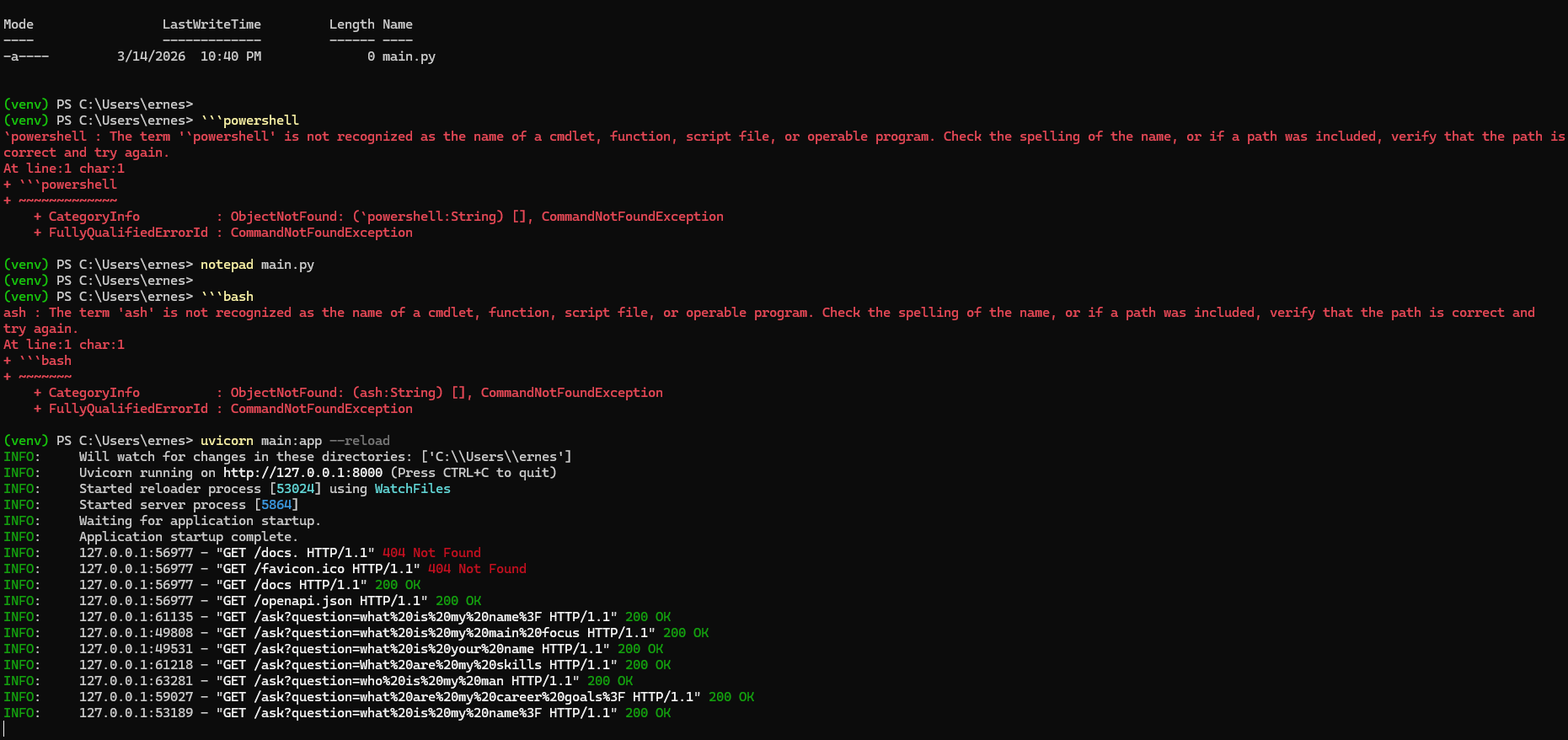
Why I Built My Own Local AI RAG Model (Instead of Using a Big Cloud Stack)
Something has been bothering me about how AI is being built right now.
If you read most tutorials about building AI applications, the stack usually looks something like AWS, managed vector databases, multiple cloud services, and a monthly bill that slowly creeps up.
That approach makes sense for large companies. But the more I work with creators, educators, and small one-person businesses, the more obvious something becomes: most of them don’t need enterprise infrastructure. They need something smaller, simpler, and easier to control.

The AI Mirror: Why Turning Off Self-View Can Make Solo Entrepreneurs Better Thinkers
Something curious happened today. I opened Microsoft Teams for a call and my video did not work. I did the standard troubleshooting dance. Nothing. By the time the meeting started, I gave up and joined anyway. My colleague could see me. I could not see myself. Just a gray rectangle where my face was supposed to be. At first it was unnerving. I could not check my hair. I could not monitor whether I looked tired or older or less polished than I should. Then, slowly, something unexpected happened. I forgot about myself. I listened. I spoke. I paid attention to ideas instead of angles. The mirror was gone.
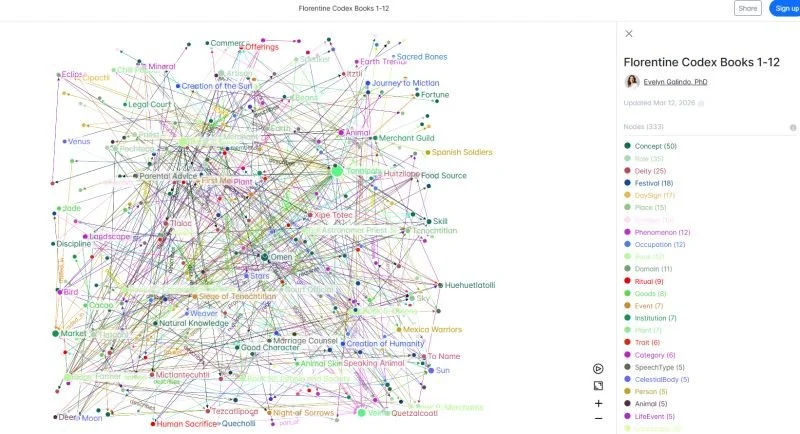
How Knowledge Graphs Helped Me Start Minding My Own Business
I started experimenting with knowledge graphs.
It sounds technical, but the idea is actually really simple.
Instead of storing everything as rows in a spreadsheet, you connect the pieces of information.
For example:
Customer → lives in → California
Customer → bought → this hoodie
Product → design style → unisex
Customer → gender → male
Once you connect the data like that, it basically turns your business information into a map.
And when you start looking at the map, patterns jump out.